Philosophy of Practice
The Art of Applied Innovation: A Da Vincian Approach to Modern Technology
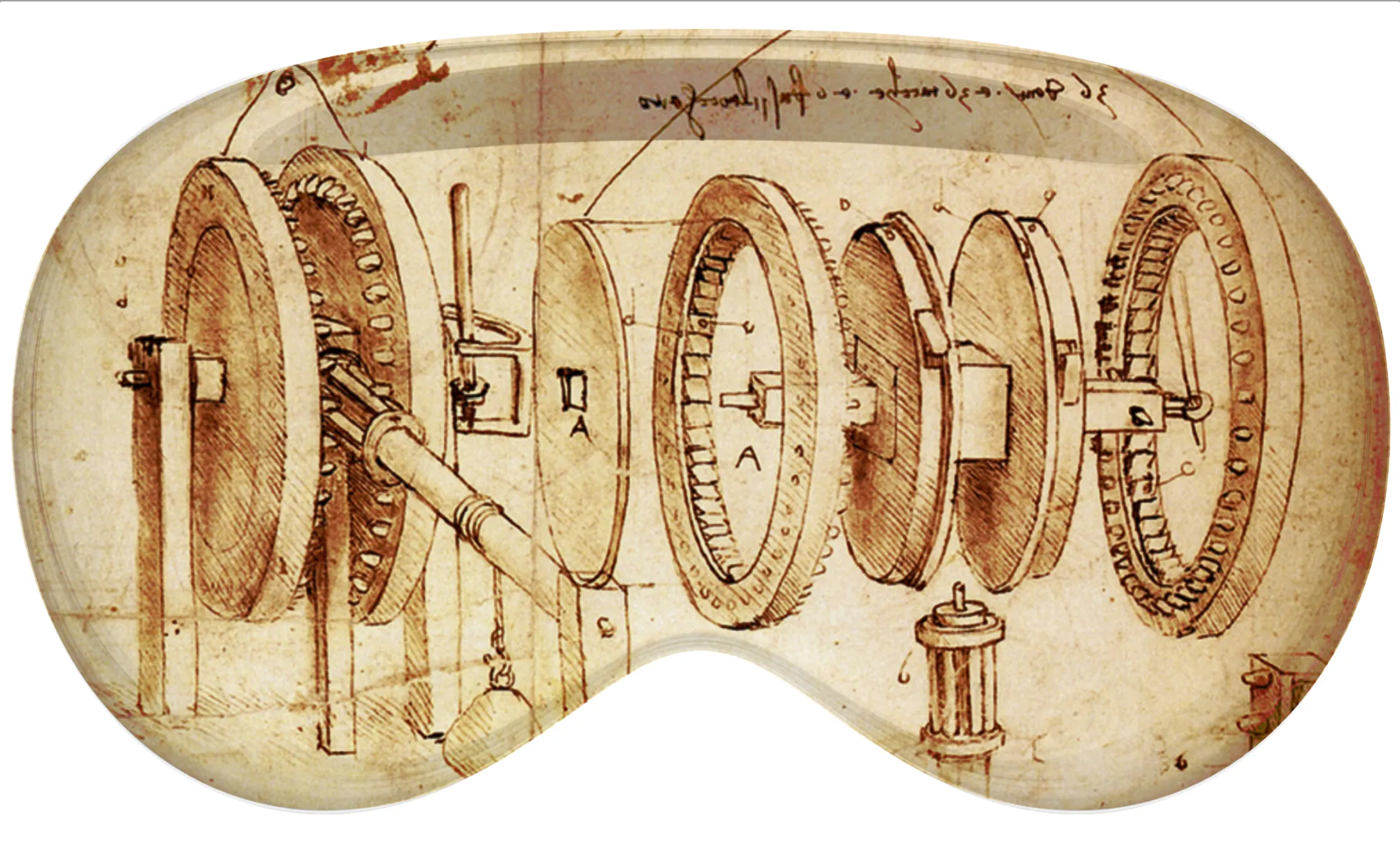
"Those who love practice without theory are like a sailor who boards a ship without a rudder and compass, never knowing where they may cast." - Leonardo Da Vinci
Innovation, in its truest form, is not a sudden spark of isolated genius but the deliberate, imaginative application of art and science to improve the human experience. It requires both the visionary compass of imagination and the steady rudder of practice.
This philosophy, championed by Da Vinci during the Renaissance (the original creative technologist), is how I believe creative technology is best practised: not by chasing trends, but by deeply understanding emerging technologies through hands-on, lab-style exploration before applying them with artistic rigour and human purpose.
At the heart of this endeavour is a simple but profound belief: while we embrace technological advancement, we must prioritise humanity and art. This principle guided my work across twenty-five years in agency R&D. At AKQA, it found its fullest expression, where innovation sat alongside Service, Quality, and Thought as core values. The goal is to elevate the human spirit through pioneering ideas and new possibilities - achieved through direct experimentation, not speculation. This human-centred approach ensures that the results are not just novel, but meaningful.
Art, Science, and the Creative Technologist
The journey into creative technology is often a personal one, rooted in a desire to bridge disparate worlds. Many creative technologists are, by training and inclination, artists who discovered in technology a new medium for expression.
My own path began in fine art - years spent deconstructing the physical form of painting to blur the lines between 2D imagery and 3D form. Stretchers became dowels, flat canvas became scrolls, paintings became solid spheres of their own medium - water and oil unified into a single cohesive form. The alchemical impulse was always the same: to transform base ingredients into something of value.
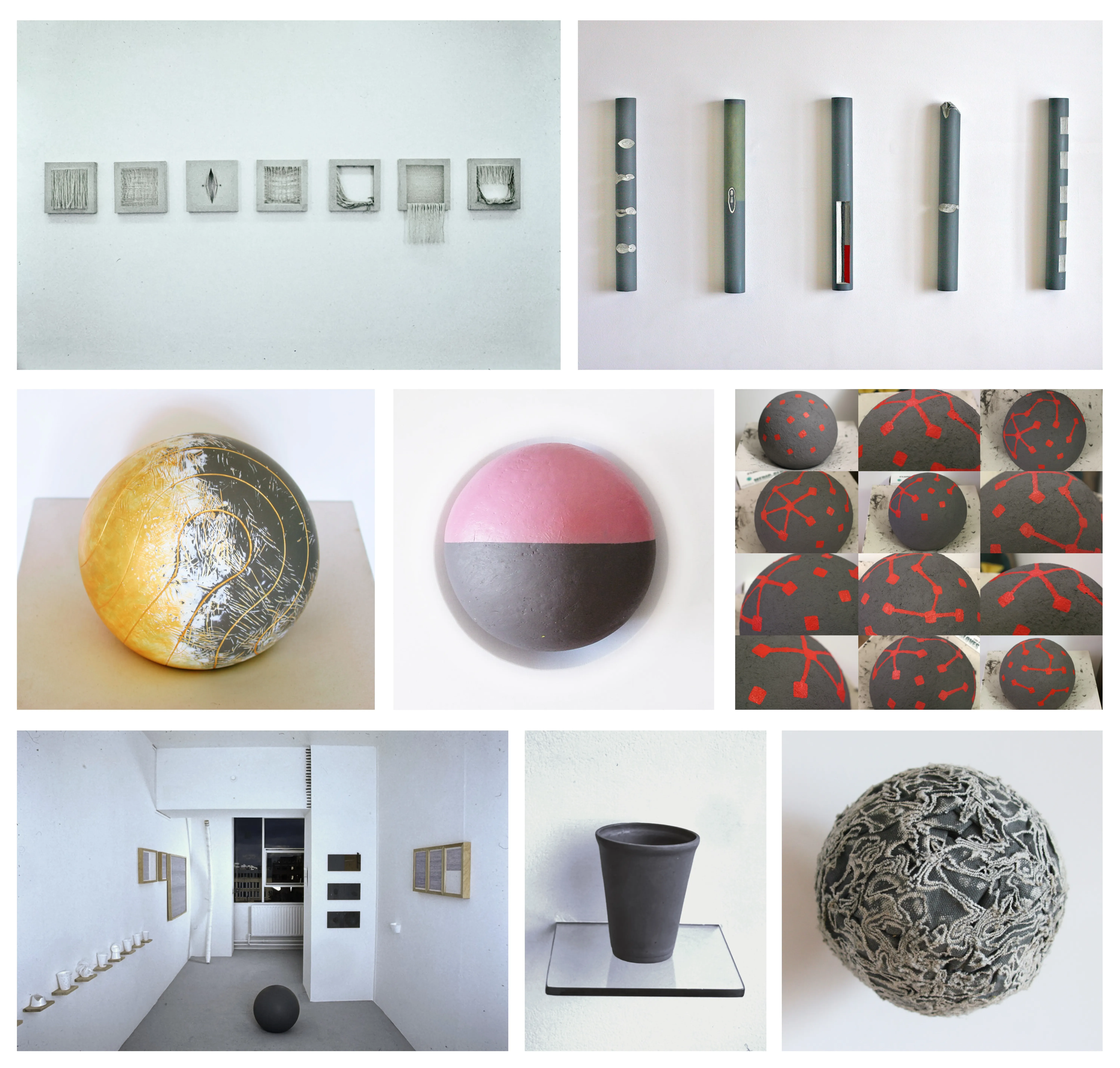
Where paint and canvas were once the medium, code, algorithms, and spatial interfaces now serve the same creative impulse. A background in physics provides foundational logic, while an artistic sensibility imbues the work with emotional depth. The creative technologist is where art and science converge in a single practitioner - a hybrid who uses the rigour of scientific thinking to bring artistic visions to life through interaction and connection.
This fusion is the lens through which I approach every project, seeking to imbue it with the same beauty and transformative power one seeks in a work of art.
Navigating the Future
"Study the science of art; study the art of science. Realise that everything connects to everything else." - Leonardo Da Vinci
This holistic view is critical when navigating the complex landscape of emerging technologies, which unlock unimaginable possibilities for transforming services and solving previously intractable problems.
Harnessing this potential requires a strategic approach that balances near-term opportunities with long-term vision. Prioritising a two-year horizon ensures market fit and scalability, but it is equally important to identify transformative technologies before they are fully proven. This requires informed speculation, grounded in deep understanding of technological trends and their potential convergence.
The inevitable rise of Spatial Computing, for instance, is foreseeable given the confluence of advancements in runtime AI, display technology, chip design, and agentic development. This forward-looking perspective builds trust with technology partners and creates strategic advantage - the ability to create work that is seamless, engaging, and genuinely ahead of the market.
From Insight to Impact
"Iron rusts from disuse; water loses its purity from stagnation… even so does inaction sap the vigour of the mind." - Leonardo Da Vinci
Action must triumph over abstraction. The true nature of any technology is revealed not in discussion, but through direct interaction. This ethos demands rapid iteration and a relentless focus on creating value - prioritising speed to shareable collateral.
A disciplined methodology makes this possible. By operating in focused sprints, R&D transforms from a cost centre into fuel for growth:
3 Weeks, 3 People, 1 Business Problem
A dedicated team tackles a specific client challenge, ensuring research is directly tied to business value.
3 Days, 2 People, 1 UX/Technical Exploration
Rapid explorations that quickly determine technical feasibility and user experience potential.
Agentic AI teams are compressing these timelines further while expanding the range of skillsets brought to bear.
This process is guided by a robust framework that ensures ideas are not only innovative but also responsible and viable. Every concept is evaluated against four key pillars:
Desirability - Does it solve a meaningful problem and align with human values?
Feasibility - Is it technologically and operationally achievable and scalable?
Viability - Does it have a sustainable business model and a competitive advantage?
Accountability - Is it ethical, inclusive, and considerate of its broader systemic impact?
The Engineer as Orchestrator
"The painter has the universe in his mind and hands." - Leonardo Da Vinci
There is a distinction between software development and software engineering that matters now more than ever. The craft has not died - it has transformed. What has fallen away is the mechanical act of typing every line. What remains, and matters more than it ever has, is the orchestration: knowing what to build, why it should exist, and how to steer the output toward intent. The creative technologist who can hold the full picture in mind - architecture, interaction, emotion, business logic - has become more valuable, not less.
The role now is orchestrator, adjudicator, and protector of intent. Not prompting and hoping for the best, but planning, steering, and honing. Writing product requirement documents that encode decisions. Building interaction models that define how intelligence should behave. Configuring runtime systems that adapt. Knowing exactly where to prod the probability space to get the right behaviour. That is craft, not automation. The hands have changed, but the universe in the mind has not.
This dynamic is not new. When Flash matured as a platform, the ActionScript developers who pushed it furthest were dismissed as "scripters" by those who controlled the old labels - while those same developers were implementing dependency injection, design patterns, and computer vision. The same pattern recurs whenever a new medium democratises access: the people who understand it most deeply are the ones who extract the most from it, and the ones who feel most threatened are the loudest critics. Recognising the pattern does not make it less real, but it does make it less distracting.
AI does not replace the alchemical impulse - it amplifies it. The studio builds services and experiences that were not previously possible, where intelligence is woven into the surface rather than bolted on. The creative technologist who understands both the craft and the machine produces fundamentally different outcomes from someone using the same tools without that understanding.
Why This Matters
The ultimate measure of innovation is its impact. For businesses, this translates directly to employee and customer satisfaction, which is inextricably linked to revenue growth. Creative technology, therefore, is not a peripheral activity but a vital component of the growth engine.
Trying to attribute revenue directly to creative technology is like asking whether the plating at a Michelin restaurant adds nutritional value - it's the wrong question entirely. People don't pay a premium to be fed. They pay for the experience. Michelin stars don't measure the food in isolation; they measure the totality.
The competitive advantage lies in applying that same rigour to the unknown: failing faster to learn quicker. This means maximising the number of experiments, de-risking innovation through rapid prototyping, and accelerating time-to-insight for technologies that may not even exist yet. Every prototype is a question posed to the future: does this technology deserve to become a product?
Where the spirit works with the hand, there is art. And where that art is applied with scientific rigour and strategic vision, there is the potential to delight, inspire, and transform how people experience the world.
This is the enduring legacy of Da Vinci, and it is the lens through which I approach every project - seeking to understand the promises and pitfalls of nascent technologies by building experiences that help us feel and understand them more deeply.
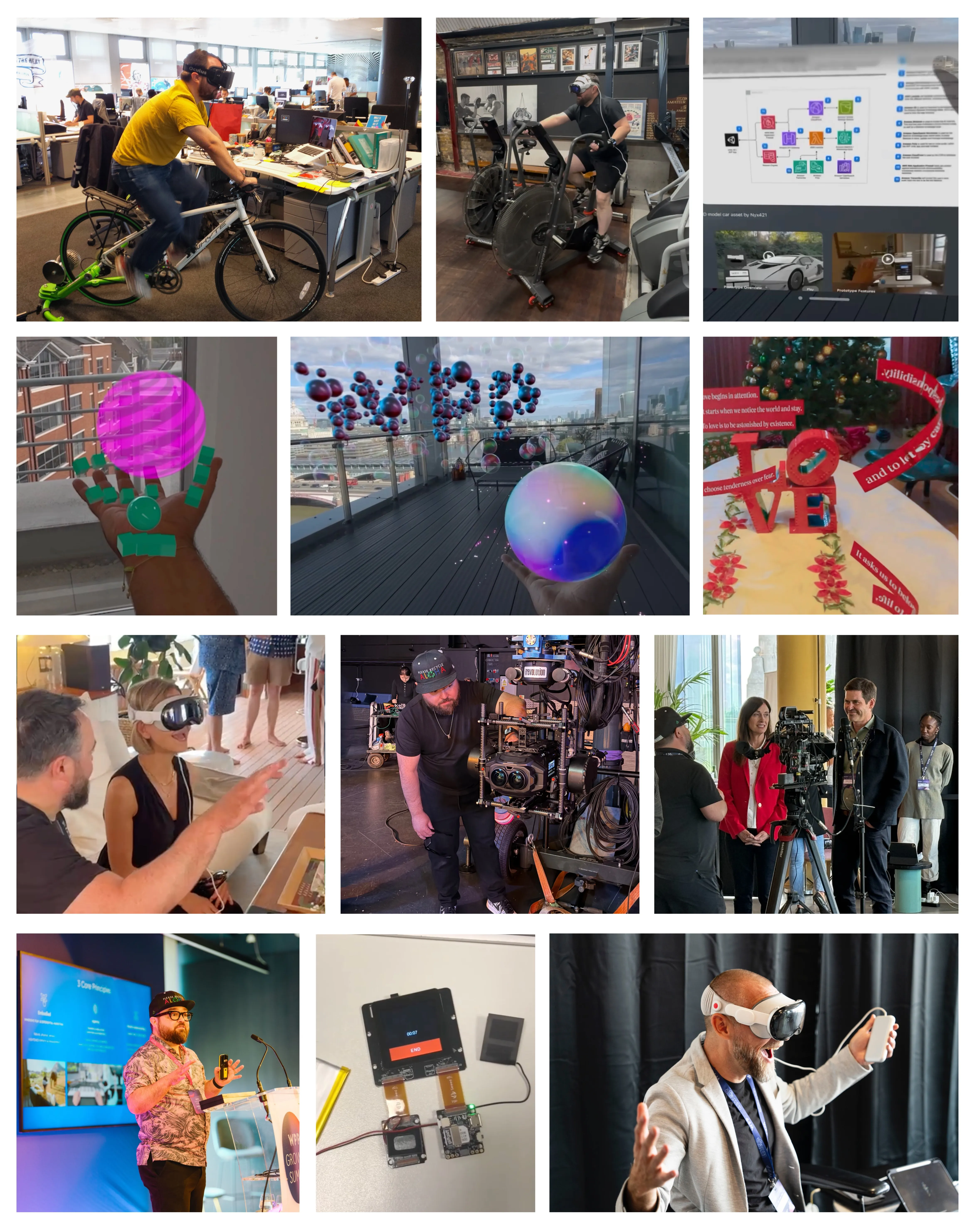
See the philosophy in practice: